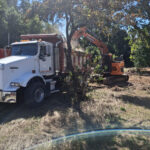
If you are asking how long does septic tank pumping take, most straightforward residential appointments can often be completed within a few hours. The exact time depends on tank size, access, the amount of sludge, the number of compartments, disposal requirements, and whether additional problems are found.
A small, accessible tank with a clear lid may take less time than a large or buried tank. Properties with narrow driveways, long hose runs, multiple tanks, or heavy buildup may require additional preparation and service time.
Knowing what to expect can make the appointment easier. This guide explains the septic pumping process, how to prepare, what affects the schedule, what happens afterward, and when pumping may need to be combined with another service.
How Long Does Septic Tank Pumping Usually Take for Homeowners?
A standard residential pump out often takes between one and three hours when the tank is easy to locate and access. The appointment may take longer if the tank is buried, the lid is damaged, the tank has several compartments, or the system contains heavy solids.
Pumping time is only one part of the appointment. The provider may also need to locate the tank, open access points, inspect visible components, remove waste, transport it for disposal, and complete basic cleanup.
Why Most Residential Pumping Appointments Take a Few Hours to Complete
A typical appointment includes several steps before the pumping hose begins removing material. The provider must confirm the tank location, access the lid, review the system condition, and set up the equipment.
The actual pumping may take less time than the full visit. Homeowners should allow enough time for inspection, questions, documentation, and cleanup rather than scheduling the appointment around a very narrow time window.
How Tank Size and Access Change the Total Appointment Time
A larger tank holds more liquid and solids, so it may take longer to empty and transport. A tank with an exposed lid is usually faster to access than one buried under soil, landscaping, gravel, or concrete.
The location of the tank also matters. Long distances between the tank and service truck may require additional hose, setup, and cleanup time.
Why Heavy Solids or Buried Lids May Extend Service Time
A tank that has not been pumped for many years may contain thick sludge and heavy scum. Removing this material can require additional time and may reveal problems with baffles, filters, outlets, or tank walls.
Buried or difficult-to-open lids may require excavation before service begins. Ask the provider whether locating and exposing the lid is included in the estimate.
What Does the Septic Pumping Process Include From Arrival Through Cleanup?
The septic pumping process begins when the provider arrives and reviews the property and service request. The technician may confirm the tank location, inspect the access area, and ask about symptoms or previous service.
The tank is then opened safely, measured, pumped, and checked for visible concerns. The provider may also explain whether additional inspection, repair, filter cleaning, or drainfield evaluation is recommended.
How Technicians Locate and Safely Access the Septic Tank On Site
The provider confirms where the tank is located and identifies the correct lid or access point. If records are unavailable, locating the tank may require additional time.
Homeowners should never enter a septic tank. Dangerous gases can collect inside, and the structure may be unstable even when the lid appears to be open.
How Sludge, Scum, Baffles, and Filters Are Checked During Service
The technician may examine sludge and scum levels before pumping. Accessible baffles, filters, lids, inlet pipes, outlet pipes, and visible tank walls may also be reviewed.
These observations can help determine whether the current service schedule is appropriate. A filter that is blocked or a baffle that is damaged may require separate work.
Why Complete Pumping Includes Disposal and Basic Cleanup On Site
Pumping removes liquid, sludge, and scum from the tank. The waste must then be transported and disposed of properly according to applicable requirements.
The provider should leave the access area reasonably clean and explain whether soil replacement, landscaping restoration, or lid replacement is included. Ask questions before service if the estimate does not describe cleanup.
Which Factors Affect the Septic Pumping Timeline for Different Properties?
The time required for pumping varies from property to property. Tank capacity, system design, access, waste volume, equipment, weather, and the condition of the surrounding area can all affect the appointment.
How Tank Capacity Changes Pumping and Disposal Time During Service
A 500-gallon tank may take less time to pump than a 1,500-gallon tank. Larger systems may require more hose time, disposal capacity, and equipment movement.
The amount of material inside the tank also matters. A tank with heavy sludge may take longer to empty than a tank that is serviced on a regular schedule.
Why Difficult Access and Long Hose Runs Add Time to Appointments
The service truck needs a practical route to the tank. Fences, narrow driveways, steep areas, landscaping, parked vehicles, and other obstacles can slow setup.
A long hose run may be necessary when the truck cannot park close to the tank. Clear the access area before the appointment if possible.
How Multiple Compartments and Pump Systems Affect Scheduling for Homes
Some tanks have two compartments that should both be pumped and checked. Missing one compartment can leave solids inside the system and reduce the value of the appointment.
Systems with pumps, alarms, control panels, and filters may require additional testing. These components can extend the visit beyond a basic gravity tank pump out.
How Should Homeowners Prepare for Septic Pumping Before the Appointment?
Preparing for septic pumping can help reduce delays and make the appointment more efficient. Homeowners should locate access points, clear the area, gather service records, and tell the provider about recent symptoms.
Avoid scheduling other contractors or major property work during the same appointment window. The provider may need room for the truck, hose, equipment, and safe access.
Why Locating Tank Lids and Clearing Access Areas Matters Beforehand
Remove vehicles, stored materials, branches, toys, and other obstacles from the tank access area. If the lid is buried, tell the provider before the appointment so the estimate can account for locating or exposing it.
Do not attempt to lift a heavy lid without proper tools. A cracked or unstable cover may create a safety risk.
How to Share Records, Symptoms, and Property Information Clearly Before Service
Provide the last pumping date, tank size if known, previous inspection reports, repair history, and any recent odors, backups, slow drains, or alarm activity.
Tell the provider how many people live in the home and whether guest use, a rental arrangement, or a home business has increased water use.
Why Water Use Should Be Limited Before Technicians Arrive On Site
Avoid running several loads of laundry, taking long showers, or using large amounts of water immediately before service. This gives the provider a clearer opportunity to evaluate liquid levels and system behavior.
If the system is already backing up, stop using all plumbing fixtures. Contact the provider and explain that the appointment involves an active wastewater problem.
What Should Homeowners Expect During a Septic Service Appointment in Wrens, GA?
During a septic service appointment in Wrens, GA, the provider may review the property, confirm access, inspect the tank, pump the contents, evaluate visible components, and record the service findings.
The time required depends on whether the appointment is routine or connected to a backup, alarm, odor, or drainfield concern. Ask what services are included before the crew begins.
How the Provider Confirms System Details and Service Scope First
The provider may ask about the tank size, last pumping date, household occupancy, symptoms, system type, and access conditions.
This conversation helps define the scope of work. If the provider discovers that the tank has multiple compartments or a pump system, the appointment may require additional steps.
Why Safety Checks Matter Around Open Tanks and Equipment On Site
The access area should be kept clear while the tank is open. Children, pets, and people who are not involved in the service should stay away from the equipment.
Homeowners should not stand over an open tank or handle hoses, electrical controls, pumps, or wastewater. The technician should control the work area and explain any safety concern.
How Written Service Records Support Future Maintenance Planning for Homeowners
Ask for a service record that includes the appointment date, tank condition, measured solids, visible component concerns, and recommended next service date.
A written record helps you plan future pumping and may be useful when selling the property, buying insurance, arranging repairs, or investigating recurring drainage problems.
What Is Included in a Residential Septic Tank Cleaning Process?
The septic tank cleaning process may include pumping the tank, removing residual material, checking accessible filters and baffles, and documenting the condition of visible components.
Ask the provider to explain whether cleaning includes both tank compartments, outlet filter service, access work, disposal, and basic cleanup. Different companies may use the word cleaning to describe different scopes of work.
How Pumping Differs From Cleaning, Inspection, and Repair Services Together
Pumping removes accumulated liquids, sludge, and scum. Cleaning may include additional removal of residual material, while an inspection evaluates the system’s condition and operation.
Repair addresses a damaged tank, baffle, pipe, pump, filter, control, or drainfield. One service may lead to a recommendation for another, but pumping does not automatically include repair.
Why Filters and Baffles May Need Additional Attention During Service
A blocked outlet filter can restrict flow and allow liquid levels to rise. A damaged baffle may allow solids to move toward the drainfield.
The provider may recommend cleaning, replacement, or additional inspection if these components are not working properly. Ask whether the work is included or priced separately.
When a Septic Problem Requires More Than Tank Pumping Alone
Pumping will not correct a collapsed pipe, failed pump, damaged baffle, cracked tank, blocked outlet, or failing drainfield. If symptoms return after pumping, the underlying cause should be investigated.
If slow household drains are caused by a plumbing blockage, Drain Cleaning may be more appropriate than another tank pump out.
What Is the Typical Septic Pumping Timeline After Service Is Complete?
The septic pumping timeline does not end when the tank is empty. The provider may need to complete cleanup, replace the access cover, record findings, and explain what should happen next.
Most homeowners can return to normal use after the provider confirms that the appointment is complete. Follow any specific instructions provided for pumps, filters, repairs, or unusual system conditions.
What Happens Immediately After the Tank Has Been Pumped On Site
The provider may check the tank, access cover, surrounding soil, and visible connections one more time. If the tank was exposed, the lid and surrounding soil should be secured as safely as possible.
Ask what was found inside the tank and whether the measured solids suggest a shorter or longer service interval.
How Long Before Normal Household Water Use Resumes Safely Afterward
In many routine situations, normal water use can resume after the provider has finished and confirmed that the system is ready. If repairs, pump work, or an active backup are involved, follow the technician’s instructions instead.
Do not immediately run multiple loads of laundry or send a large volume of water into the system. Return to normal use gradually when possible.
Why Slow Drainage After Pumping Requires Follow Up Evaluation Promptly
Slow drains after pumping may indicate a blocked household line, outlet problem, damaged pipe, failed pump, or drainfield restriction. Pumping does not guarantee that every part of the wastewater system is clear.
If drainage remains slow, request an evaluation rather than assuming the tank was not pumped properly. Septic Inspections can help identify a problem beyond tank solids.
How Can Homeowners Use a Septic Pumping Checklist in Keysville, GA?
A septic pumping checklist in Keysville, GA can help homeowners prepare the property and gather information before the service truck arrives.
What to Confirm Before the Pumping Truck Arrives On Property
Confirm the tank location, access route, parking area, gate access, pets, known underground utilities, and any landscaping that may be near the lid.
If the tank location is uncertain, tell the provider when scheduling. Locating the tank may require additional time or equipment.
Which Documents and Questions Should Stay Ready for Service Day
Keep pumping receipts, inspection reports, repair invoices, system permits, and previous recommendations available. Write down any recent odors, backups, alarms, slow drains, or changes in household use.
Ask whether the estimate includes pumping, disposal, access work, filter cleaning, additional compartments, cleanup, and written records.
Why Access, Pets, and Landscaping Should Be Managed Carefully Beforehand
Keep pets indoors or away from the service area. Move vehicles and objects that block the truck, hose, lid, or walking path.
Do not plant, dig, build, or drive over the tank or drainfield while waiting for service. Underground components may be damaged by heavy activity.
How Often Should You Schedule Pumping to Protect Your System?
Many residential systems are pumped every three to five years, but the right interval depends on household size, tank capacity, water use, garbage disposal use, solids accumulation, and system design.
A professional should adjust the schedule based on service records and measured buildup. Properties with pumps, alarms, heavy occupancy, or previous problems may need more frequent attention.
How Household Size and Water Use Affect Pumping Frequency Over Time
More residents generally create more wastewater and solids. Frequent laundry, long showers, guests, short-term rentals, and home businesses can shorten the time between pumping appointments.
Repair running toilets and leaking faucets, and spread laundry across the week. These habits reduce unnecessary hydraulic stress on the tank and drainfield.
Why Service Records Help Establish a Better Maintenance Interval for Homeowners
A written record shows how much material was found during service and whether the system had visible concerns. Comparing records over time can reveal whether solids are building faster than expected.
Keep the recommended next service date where it will not be forgotten. Calendar reminders can help prevent the system from becoming overdue.
How Garbage Disposal Use Can Shorten the Service Schedule at Home
Garbage disposals add food particles and organic solids to the septic system. Grease, coffee grounds, fibrous foods, and large amounts of scraps may increase the amount of material collected in the tank.
Use the disposal carefully and keep cooking oil and grease out of the plumbing. These habits may help reduce the speed of solids buildup.
When Should You Call CSRA Site Work and Septic for Help?
Call CSRA Site Work and Septic when you need routine pumping, cannot locate the tank, have missing service records, notice slow drainage after pumping, or need help with a backup or alarm.
The company provides septic pumping, inspections, repairs, drain cleaning, hydro jetting, and emergency septic support. Call (706) 871-3955 or visit 720 B North Liberty St., Waynesboro, GA 30830 to schedule service and receive a clear timeline for your property.
Frequently Asked Questions About Septic Pumping Timelines for Homeowners and Buyers
How long does septic tank pumping take?
A straightforward residential septic pumping appointment often takes about one to three hours. The exact time depends on tank size, access, sludge volume, multiple compartments, pump equipment, hose distance, and whether repairs or additional inspection are needed. Buried lids and difficult property access can extend the appointment.
Can septic pumping take longer than one day?
Most routine residential pump outs can be completed in one appointment, but complex properties may take longer. Multiple tanks, difficult access, heavy solids, mechanical systems, excavation, repairs, or serious backups can extend the work. The provider should explain the expected timeline before beginning service.
What should I do before septic tank pumping?
Locate the tank if possible, clear vehicles and stored items from the access area, secure pets, gather service records, and tell the provider about recent symptoms. Avoid heavy water use before the appointment. If the system is backing up, stop using all plumbing fixtures and explain the emergency when scheduling.
Can I use water after my septic tank is pumped?
In many routine situations, normal water use can resume after the provider confirms that service is complete. Follow any specific instructions if repairs, pumps, alarms, or backups are involved. Avoid sending several large loads of water into the system immediately after service.
Why are my drains still slow after septic pumping?
Slow drains after pumping may indicate a blocked household line, outlet restriction, damaged pipe, failed pump, or drainfield problem. Pumping removes tank solids but does not automatically clear every drain or repair every component. Request a follow-up evaluation if the symptoms continue.
How often should a septic tank be pumped?
Many residential systems are pumped every three to five years, but the correct interval depends on tank size, household size, water use, garbage disposal use, and solids accumulation. Service records and professional measurements can help establish a schedule that fits your property.