Augusta, GA
Septic Solutions for Augusta Properties That Need More Than a Surface Level Fix
Augusta has an extensive public wastewater system, yet that does not mean every property across Richmond County is served the same way. Properties outside practical sewer access can still depend on private septic systems, particularly where development becomes less dense and individual lots have more space.
For those properties, septic care has to account for more than tank capacity. Augusta has an active network of creeks, drainage channels, floodplain areas, and low lying ground connected to waterways such as Butler Creek, Spirit Creek, Rae’s Creek, and the Savannah River. Periods of heavy rain can change ground conditions quickly and may expose weaknesses in an already stressed absorption area.
CSRA Site Work and Septic helps Augusta property owners determine what is actually happening below the surface. We evaluate the tank, wastewater flow, drain lines, visible drainage conditions, and signs of trouble around the disposal area before recommending service.
Whether the system needs routine pumping or a more detailed diagnosis, our goal is to provide a clear solution based on the property in front of us.
Understanding Septic Needs Across Augusta and Richmond County
Augusta combines historic urban neighborhoods, suburban residential areas, commercial corridors, and less densely developed properties within one consolidated city and county. Wastewater infrastructure therefore varies considerably from one part of the area to another.
Local regulations generally require properties to connect when an Augusta public sanitary sewer becomes available within the applicable connection distance. Septic systems remain important where public sewer is not available, making it especially important for owners to know exactly how their property handles wastewater.
Ground conditions add another layer. Augusta’s drainage system carries runoff through creeks, ditches, channels, pipes, wetlands, and tributaries. When prolonged rainfall saturates the soil, water may move away from a septic drain field more slowly. A system that performs normally during dry weather can begin showing symptoms when surrounding soil becomes excessively wet.
That is why we do not assume every slow drain means the tank simply needs pumping. Our technicians look at the entire situation so the service addresses the cause rather than only the most obvious symptom.
Septic and Drain Services Available in Augusta, GA
Septic problems can begin in several places, from the plumbing line leaving the building to the tank or absorption area farther into the property. Our services cover routine maintenance, diagnosis, cleaning, repair, and urgent response.
Septic Tank Pumping
Solids gradually collect inside every working septic tank. Pumping removes that accumulation before it reduces usable tank volume or increases the risk of solids moving toward the drain field. We service residential and commercial systems according to their actual size, usage, and condition.
Learn More about septic tank pumpingDrain Cleaning
One stubborn fixture may indicate a localized clog, while several slow drains can point to a larger restriction. Our drain cleaning service targets buildup and blockages so wastewater can move properly through the plumbing system.
Learn More about drain cleaningHydro Jetting
Some drain lines accumulate material that repeated snaking does not remove completely. When the pipe is suitable for the process, hydro jetting uses high pressure water to clean buildup from the interior walls and restore a more open flow path.
Learn More about hydro jettingSeptic Inspections
A septic inspection provides a closer look at how the system is functioning. We check accessible components, tank conditions, visible wastewater concerns, and warning signs around the drain field that may indicate maintenance or repair is needed. Learn More about septic inspections
Septic Repairs
Septic trouble can come from damaged piping, tank components, distribution issues, blockages, or problems associated with the absorption area. We locate the source before recommending the repair so property owners are not pushed toward unnecessary work.
Learn More about septic repairEmergency Septic Service
A sewage backup or overflowing septic system cannot always wait for a routine appointment. Our emergency service addresses urgent wastewater problems and helps limit the risk of additional damage to the building or surrounding property. Learn More about emergency septic service
Why Augusta Septic Problems Require Careful Diagnosis
Water plays a major role in Augusta’s landscape. The Savannah River forms the city’s eastern edge, while numerous creeks and tributaries move runoff through Richmond County. Augusta also contains significant floodplain and wetland areas, including land associated with Phinizy Swamp and several major drainage basins.
Those conditions do not automatically cause septic failure, but they make drainage awareness important. A drain field relies on suitable soil to accept and treat wastewater. If that soil remains saturated after extended rain, its ability to receive additional water can temporarily decline.
Property drainage can influence the problem as well. Roof runoff, grading, clogged drainage paths, or water collecting near a disposal area can place additional moisture where the septic system needs relatively unsaturated soil.
Our technicians consider these site conditions when they are relevant. Instead of treating the tank as an isolated container, we look at the relationship between the plumbing, tank, disposal area, and surrounding ground.
what makes us different
Septic Work Guided by What the Augusta Property Actually Needs
We Trace the Problem Before Recommending the Fix
A backup may originate in a building drain, septic line, tank, or farther into the onsite system. Identifying that distinction can prevent unnecessary pumping or repair.
We Base Maintenance on Real System Use
A small household and a heavily occupied property do not load a septic tank at the same rate. Tank size, occupancy, wastewater habits, system age, and previous service history all help determine when maintenance makes sense.
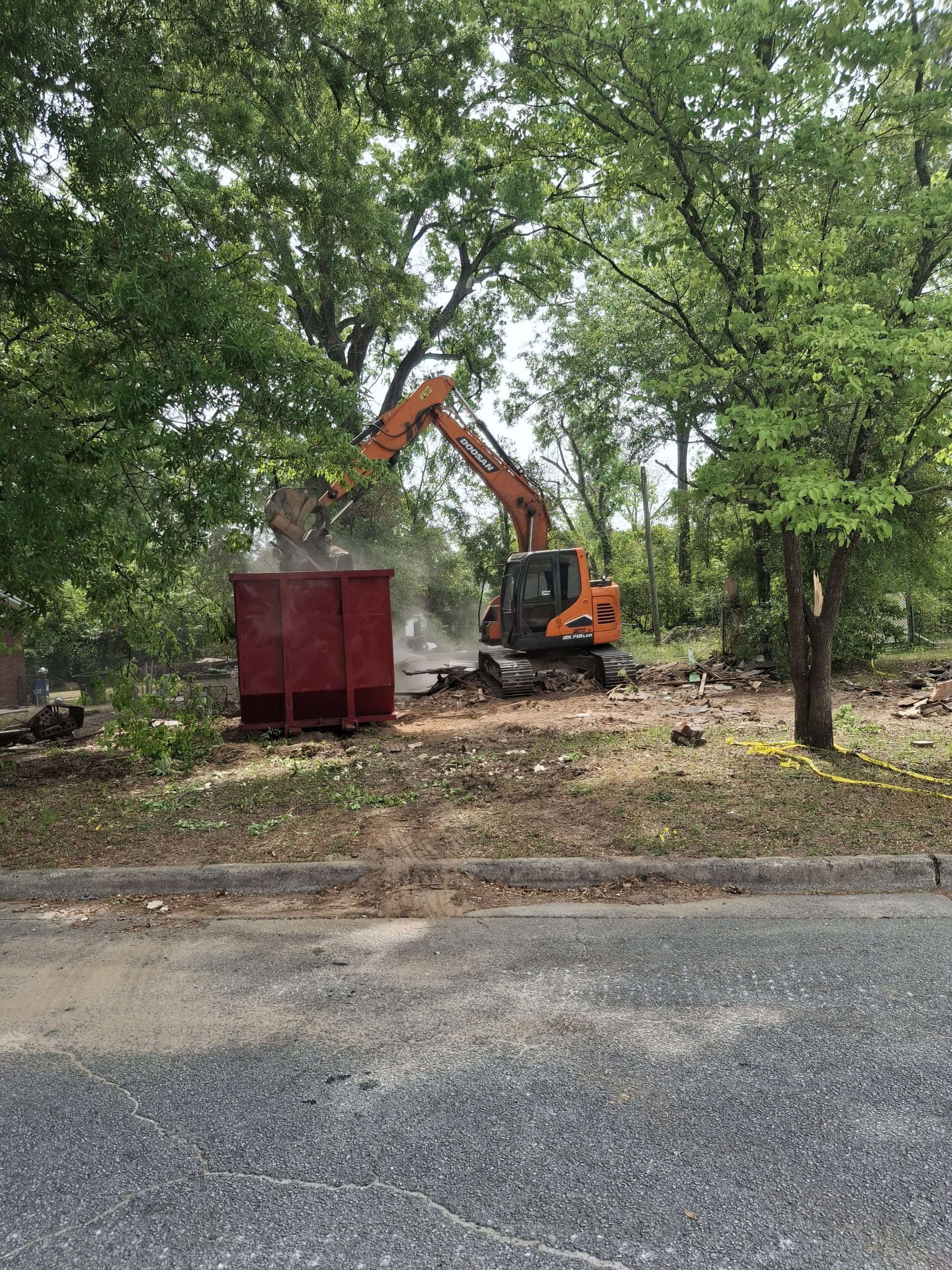
We Pay Attention to Ground Conditions
Augusta can experience heavy rainfall that saturates drainage systems and nearby soil. When wet ground appears to be contributing to poor septic performance, it becomes part of the diagnosis.
We Explain Repair Options Clearly
Finding a septic problem does not automatically mean complete system replacement. We identify the damaged or failing component and discuss the practical repair path based on what we find.
Protecting the System Before a Backup Reaches the House
Septic systems usually provide warning signs before a major failure. Drains may become noticeably slower, toilets may gurgle, sewage odors may appear, or an area of the yard may remain unusually wet. Ignoring those symptoms can allow the underlying condition to worsen. Excess solids can continue accumulating, restrictions can become more severe, and wastewater may eventually begin backing up into the property. Routine pumping and early investigation give homeowners an opportunity to address those conditions before normal household plumbing becomes difficult to use. CSRA Site Work and Septic brings more than 20 years of industry experience to septic pumping, inspections, drain cleaning, hydro jetting, repairs, and urgent system problems throughout the CSRA.
Contact UsSeptic Help When the Problem Cannot Wait
Wastewater backing into a bathtub, shower, toilet, or floor drain requires immediate attention. The cause might be a severe plumbing blockage, an overloaded tank, restricted outlet flow, or a larger septic problem. Our emergency response focuses first on understanding where the failure is occurring. Once the cause is identified, we can determine what service is needed to restore safer wastewater flow and reduce the chance of additional property damage. 24/7 emergency support is available for septic and drainage problems that require prompt service.
20+
Years Experience
15+
Office Locations
123+
Team Members
2500+
Happy Clients
Local Septic Experience for Augusta Property Owners
Working on an Augusta property can require a different approach from servicing a rural home elsewhere in the CSRA. Public sewer availability, lot configuration, drainage patterns, nearby waterways, soil moisture, and existing development can all influence what should be checked.
CSRA Site Work and Septic provides a range of services without assuming that every problem has the same solution. Some properties simply need scheduled tank pumping. Others need a drain cleared, a septic component repaired, or a more detailed inspection to determine why the system is struggling.
We bring the equipment and experience needed to work through those possibilities methodically. The result is a recommendation tied to the condition of the property rather than a generic septic service package.
Frequently Asked Questions About Septic Systems in Augusta, GA
These answers cover common concerns Augusta property owners have about septic maintenance, public sewer availability, wet weather, pumping, inspections, drainage problems, and repairs.
Do properties in Augusta still use septic systems?
Yes. Augusta has an extensive public sewer network, but septic systems can still serve properties where sanitary sewer is not available. Wastewater arrangements should be confirmed for the individual property rather than assumed based only on an Augusta mailing address.
Does Augusta require a property to connect to public sewer?
Augusta regulations require connection when qualifying public sanitary sewer service becomes available within the required distance from the property. Because availability varies, owners should verify current utility conditions before planning septic installation or major repair work.
How frequently should an Augusta septic tank be pumped?
Many household systems need pumping every few years, but the appropriate timing depends on tank size, number of occupants, wastewater use, garbage disposal habits, and the amount of solids already inside the tank. Maintenance history is often more useful than relying on a fixed schedule.
Can Augusta's heavy rain affect a septic drain field?
Yes. A drain field needs soil with enough capacity to accept wastewater. Heavy or prolonged rain can saturate surrounding ground and temporarily reduce that capacity, especially if the system is already experiencing drainage or absorption problems.
What symptoms suggest my septic tank may be full?
Several drains slowing at once, toilets becoming difficult to flush, gurgling sounds, sewage odors, or wastewater backing up can indicate a septic problem. Those symptoms can also come from blocked pipes, so an evaluation is preferable to assuming pumping alone will solve the issue.
Why is there standing water near my septic drain field?
Wet ground can result from rainfall, poor surface drainage, or wastewater surfacing from a stressed septic system. Sewage odors, unusually lush grass, or persistent wetness when surrounding soil is otherwise dry are reasons to have the system evaluated.
Is a septic inspection useful when buying an Augusta property?
Yes. A standard home inspection may not provide a detailed assessment of an onsite wastewater system. A dedicated septic inspection can help the buyer understand the tank, visible system condition, maintenance needs, and signs of possible drain field trouble.
Can you repair just one part of a septic system?
Often, yes. Septic systems contain several components, and failure in one area does not automatically mean every part needs replacement. The correct repair depends on whether the problem involves piping, the tank, an outlet component, distribution, drainage, or the absorption area.
When should hydro jetting be considered?
Hydro jetting may be useful when a suitable drain line contains significant grease, sludge, residue, or recurring buildup. The condition and material of the pipe should be considered before determining whether high pressure cleaning is appropriate.
What should I do if sewage starts backing up into my Augusta home?
Reduce water use immediately and avoid continuing to run fixtures that send more wastewater toward the system. A professional should determine whether the backup comes from a plumbing blockage, full tank, restricted septic line, or another system failure. Prompt service can help reduce additional wastewater damage.
Does flooding always mean my septic system is damaged?
No. Temporary soil saturation can interfere with normal septic performance without permanently damaging the system. However, a system that continues backing up, producing odors, or showing wet areas after conditions improve should be inspected for a larger problem.
Do you provide emergency septic service in Augusta?
Yes. CSRA Site Work and Septic offers emergency support for serious septic and drainage problems, including sewage backups, overflow concerns, major clogs, and sudden wastewater system failures.